
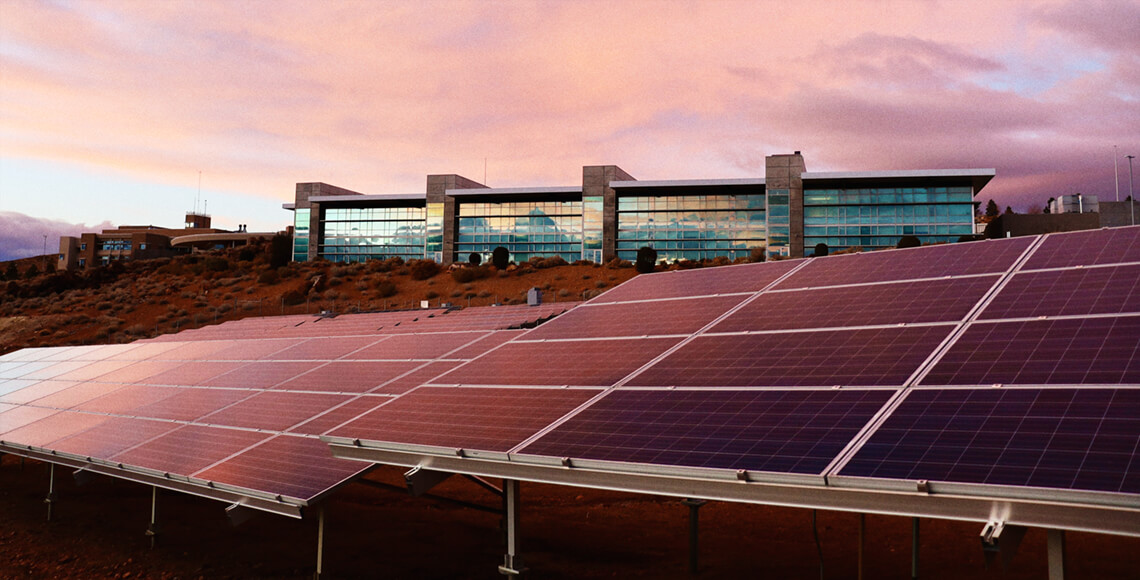
Solar Energy | The Future of Power Generation is Now
Solar energy is the light and heat energy impending from the sun towards the Earth. Humans have harnessed this form of energy using various technologies even in ancient times, though conventional. Such a form of energy accounts for the most available form of renewable energy. Solar energy can be used in the further generation of electricity, heating, cooling, and cooking, etc. Solar power is a usable form of energy that is captured from the sun in the form of electrical and thermal forms of energy. The energy is captured in a variety of ways but the most commonly used method is through the use of photovoltaic solar cells. Such a system can be installed residentially, commercially, or as a general utility. Such an installation can provide on-site generation of electric power to businesses and different organizations.
How are Solar Rays/Photons Converted into Energy?
Photovoltaic cells are used to harness the incoming solar energy in a solar system. Such cells absorb the solar energy and then convert it into electrical energy by default. Solar cells are made up of materials that have photovoltaic properties. When solar energy strikes the surface of the photovoltaic cells, the electrons are triggered and harness a continuous movement that later results in the formation of electrical energy.
Some Basic Knowledge on How Solar Installations are Made?
Solar panels are basically installed on the top of the buildings or rooftops as needed. It is important that the exposure of sunlight to the photovoltaic cells is direct to guarantee the maximum generation of electricity. This is the only reason that installations on the roof are popular in case if such an option isn’t suitable, installations can also be made on the ground. Solar installations don’t need ideal conditions in terms of working, they can be installed on most of the roofs. Solar system installations can be a smart investment for a country like Pakistan. Such an investment can provide users with long-term savings and high electricity rates.
A number of factors need to be considered before solar installations are done. It can include various factors such as the direction of the roof, elevation of the roof, the size of the roof, age, and material of the roof.
The direction of the Roof
In most cases, a southward direction of the house gives rise to optimal solar production. But solar energy production in other cases is also significant when facing other directions. The solar system can still produce enough energy to reduce electricity bills through energy production. For future scenarios, it is important to note that such an installation can eventually help in reducing the carbon footprint of the house and the individuals.
Elevation of the Roof
Solar installations are made at an angle of 15 and 40 degrees on the roofs. One can mount the panels at a good angle even if the roof is not supposedly flat.
The Size of the Roof
It is always easiest to make solar installation on a flat surface. For every kilowatt of panels that are to be installed as a rule 100 square feet of space is needed on the roof. A usual home will need around 500 square feet of space to make a solar installation. Various factors can affect the space that is available for solar installations but the installers can always design a layout as per need and optimal energy generation capacity.
Age and Material of the Roof
Solar panels have a life of around 25 years therefore it is important to note that the condition of the roof is optimal before such installations. This can prevent future renovations and additions when such changes are instilled before such a costly investment.
Solar panels can work with most construction materials such as cement, wood, tiles, etc. In case solar installations are made on clay tiles, the roofing material can be impacted during installations because of delicate material. In such instances, it is important to contact an experienced installer so that such damages are minimized.
Why are People Moving Towards this Trend?
Solar panels generate electricity without the intervention of various factors such as global warming, a price hike of fossil fuels, and carbon footprints. The increased impact towards affordability, reliability, and cleaner surroundings is what is changing the human minds today. In countries with an abundance of sunshine this renewable form of energy can be used to generate electricity. Such an alternative is both environmentally friendly and affordable for people today. In a sunny location as per recent statistics, a five-kilowatt installation can generate around 35,00 to 4,000 kilowatt per hour. Households and various companies are moving towards this form of energy to both lower their carbon footprint and decrease their operating costs.
What is the Consequence of Such Installations on the Environment?
The conjoined impact of such installations on an environment includes various factors. The carbon footprint of humans is reduced. Solar installations provide an affordable alternative to electricity production. In a country like Pakistan where conventional forms of electricity generation are depleting, this is the most accessible form of energy production. Renewable forms of energy produce electricity with less to minimum impact on the environment. As per a recent study by Irfan (2019), Pakistan uses natural gas (44%) for energy production today. The other South Asian countries such as India and Bangladesh are also reliant on the production of electricity from naturally occurring fossil fuels. It is important to consider that with time fossil fuels are depleting as well as giving rise to global warming.
How is Solar Energy a Better Medium?
It is important to strike a line between renewable forms of energy and fossil fuels. Many people today don’t realize the benefit of solar installations, this is why the topic needs to be explored in greater depth.
Long-lasting Availability
Solar energy is a renewable form of energy as per the prior knowledge already established. Therefore it is important to note that as long as the sun exists, it will continue to shine and we can thereby harness this form of renewable energy. On the overhand, the nonrenewable forms of energy such as coal and natural gas once depleted can not be replenished. The long-lasting availability of solar energy is what gives it prime importance over other forms of energy.
Emissions
When nonrenewable forms of energy are used to produce electricity, they produce carbon dioxide as a byproduct. Once carbon dioxide gets trapped in the surrounding, it can give rise to heat retention in the atmosphere. Heat retention is the basic reason for climate change which is becoming more and more severe over time across the globe. According to the US Energy Information Administration (EIA), solar panels don’t produce such byproducts that can cause retention of heat in the atmosphere. This way this form of energy can be said to have a minimal impact on the environment. By making a switch towards this form of energy generation, the carbon footprint can hence be lessened.
Cost
According to the Office of Energy & Renewable Energy, the cost of solar installations has significantly reduced by 65% over the past decade. Although the installations might still be costly for some people today, solar has become affordable as per the past price trends. In contrast, the cost of fossil fuels is likely to increase over time since they are depleting and are very costly to mine.
Efficiency
As per a recent analysis in 2017, the efficiency rate of solar panels is 15%-22%. This efficiency rate isn’t much attractive to start with unless compared with other forms of energy. Coal has an efficiency rate of 33%-40% but considering the footprint, it has on the environment, it is not recommendable in the long-term.
Technological innovations have improved solar increasingly with time. Today, there is a lot of room when it comes to the growth of solar energy and its application in human lives. Though the growth in adoption is comparatively slower, the usage is gaining importance over time.
